

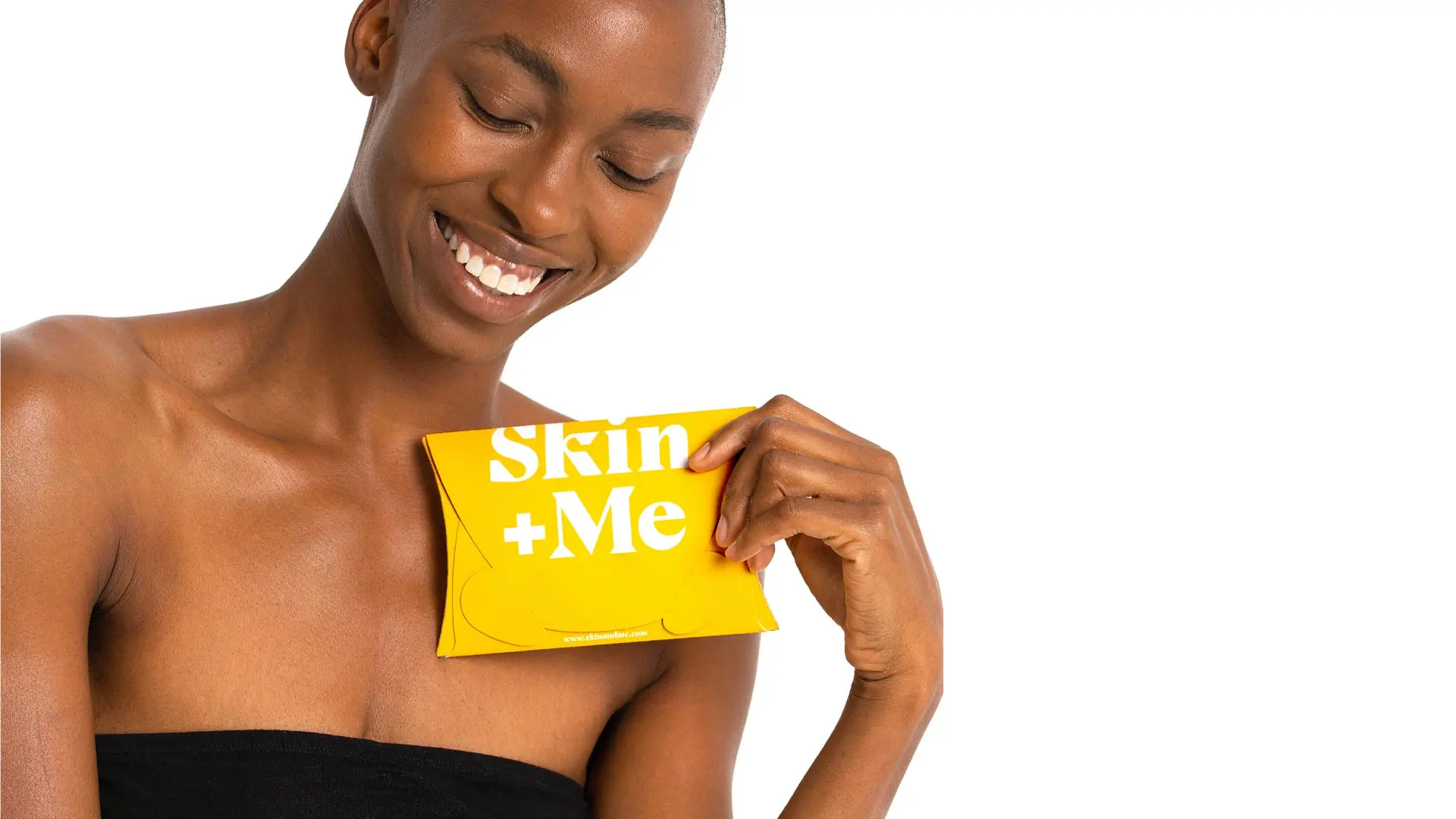
In a beauty aisle crowded with celebrity-fronted serums, Skin and Me has chosen a far less glamorous route to growth: dermatologists, prescriptions and an online questionnaire. The UK-based brand, styled Skin + Me, has more than 170,000 followers on Instagram and is reportedly valued at £160m. Here is what it does, who is behind it and why investors have taken notice.
What is Skin and Me?
For readers new to the name, Skin and Me is a teledermatology service rather than a traditional cosmetics label. It was set up in 2018 by entrepreneurs James Mishreki and Philip Wilkinson, who were later joined by Horatio Cary as chief executive, Mike Passey as chief technology officer and Rachel Jones as chief commercial officer. The service opened to customers in 2020, offering custom-made treatments built around prescription-only active ingredients.
The process begins online. Customers answer questions and upload photographs, and a dermatology team reviews the consultation. Those judged suitable are prescribed a personalised plan, which is then formulated and posted to them. Treatment pathways are designed by consultant dermatologists and formulated by pharmacist prescribers.
The founder behind the brand
Unlike many beauty names, Skin and Me is not built around a famous face. Its best-known figure is Mishreki, a Durham-born entrepreneur. Before Skin and Me, he and Wilkinson ran Mr & Mrs Oliver, a personalised recommendation service designed to test what shoppers valued. Mishreki has since admitted that model was flawed: customers sent third-party products could simply find them cheaper elsewhere.
The lesson, he says, was that people place a high value on credible specialists reviewing their cases. According to Yahoo Finance UK, the founders then sent more than 200 handwritten letters to around a third of the UK’s dermatologists in search of consultants. Mishreki also credits what he calls “rejection training” for helping him cope with the knock-backs he met while seeking investment.
How the personalisation works
The brand says its treatments target concerns including acne, dark spots, pigmentation, visible pores, fine lines and uneven skin texture. Another company profile also lists rosacea. Dr Jason Thomson, the company’s head of medical and a consultant dermatologist, has described personalisation as combining active ingredients at concentrations suited to an individual’s concerns. The aim is to maximise results while limiting unwanted side effects.
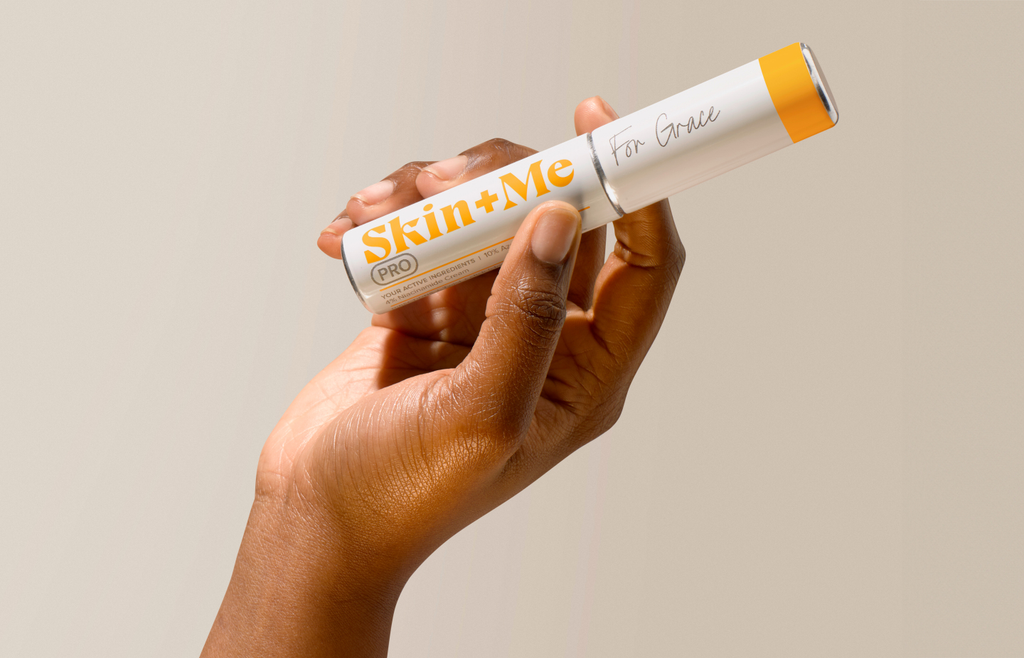
Delivery is part of the pitch too. Skin and Me designed its own dispensing bottle, the Daily Doser, made from infinitely recyclable aluminium to give the right amount of cream each day. The plan is meant to evolve as the customer’s skin changes, with specialists on hand to review photos and answer questions. Cary has claimed that medical skincare is far more effective than cosmetic products, citing decades of clinical studies. That is the company’s own position rather than an independent verdict.
Investors take notice
Financial backers have been paying attention. In February 2023, Skin + Me secured £10m in Series B funding led by Octopus Ventures, bringing total investment to £18m. Will Gibbs, a partner at Octopus, said growing awareness of prescription ingredients and personalisation was steering well-informed shoppers away from off-the-shelf products. Cary pointed to a global skincare industry worth around £140bn as the size of the opportunity.
The company said the fresh funding would go towards further innovation in personalised skincare and new marketing channels. Mishreki, for his part, puts the brand’s success down largely to word of mouth. He argues that its results cannot be found elsewhere.
A different model from celebrity skincare
The contrast with celebrity-owned rivals is striking. Rihanna’s Fenty Skin and Kim Kardashian’s SKKN are among the star-backed lines that have pushed into skincare. Hailey Bieber’s Rhode, meanwhile, was reportedly sold to e.l.f. for $1bn. Celebrity routines also draw enormous online interest. A May 2026 analysis by Skinara found that Sofia Vergara’s SPF-first approach generated 2.2 million searches, the highest of 25 celebrities studied.
Skin and Me has taken another path, leaning on clinical credentials and customer stories rather than star power. According to reports, the company only uses real community members in its marketing. No celebrity ambassador appeared in any of the coverage reviewed for this article. Whether that approach can keep pace as celebrity beauty brands multiply remains to be seen.
What consumers should know
Prescription-strength ingredients are not for everyone. Skin and Me says treatment is offered only if the consultation shows a customer is suitable. Anyone with a persistent or worsening skin condition should speak to a GP or dermatologist rather than rely on any single brand. Prices, availability and formulations can change, so readers should check the company’s website for current details.
Conclusion
Skin and Me shows that a beauty brand does not need a famous face to attract attention. Its approach combines dermatologist-led consultations, personalised prescription formulations and a subscription model. It has raised £18m in total investment, and it is reportedly valued at £160m. That suggests many shoppers want medical-grade skincare tailored to them over off-the-shelf products.
The claims about how well its treatments work come from the company itself, and results will vary from person to person. Even so, its growth points to a wider shift in the industry, from star-endorsed launches towards clinical credentials. Anyone considering treatment should seek professional advice first.
FAQs
What is Skin and Me?
It is a UK teledermatology service rather than a conventional cosmetics label. It launched in 2020, offering custom-made treatments formulated with prescription-only active ingredients.
Who founded Skin and Me?
It was founded in 2018 by James Mishreki and Philip Wilkinson, who were later joined by Horatio Cary, Mike Passey and Rachel Jones.
How does the process work?
Customers answer questions and upload photos, and a dermatology team reviews the consultation. If they are suitable for treatment, they are prescribed a personalised plan, which is then made up and posted to them.
Which skin concerns does it treat?
The brand says it targets acne, dark spots, pigmentation, visible pores, fine lines and uneven skin texture. A separate company profile also mentions rosacea.
Is everyone eligible for treatment?
No. Treatment is offered only if the consultation shows a customer is suitable. Prescription-strength ingredients are not right for everyone.
Is a celebrity involved with Skin and Me?
No celebrity ambassador appeared in the coverage reviewed for this article. The company reportedly uses only real community members in its marketing.
How much funding has Skin and Me raised?
It secured £10m in Series B funding in February 2023, led by Octopus Ventures, bringing total investment to £18m. FEBE
Does it replace seeing a GP or dermatologist?
No. Anyone with a persistent or worsening skin condition should speak to a GP or dermatologist. Prices and availability can change, so check the company’s website for current details.
[…] Ezratti’s Wife: The Mystery Behind GL Homes Skin and Me: Inside the UK’s Prescription Skincare Boom Kobe Bryant and Sam Zell: Two Very Different […]