

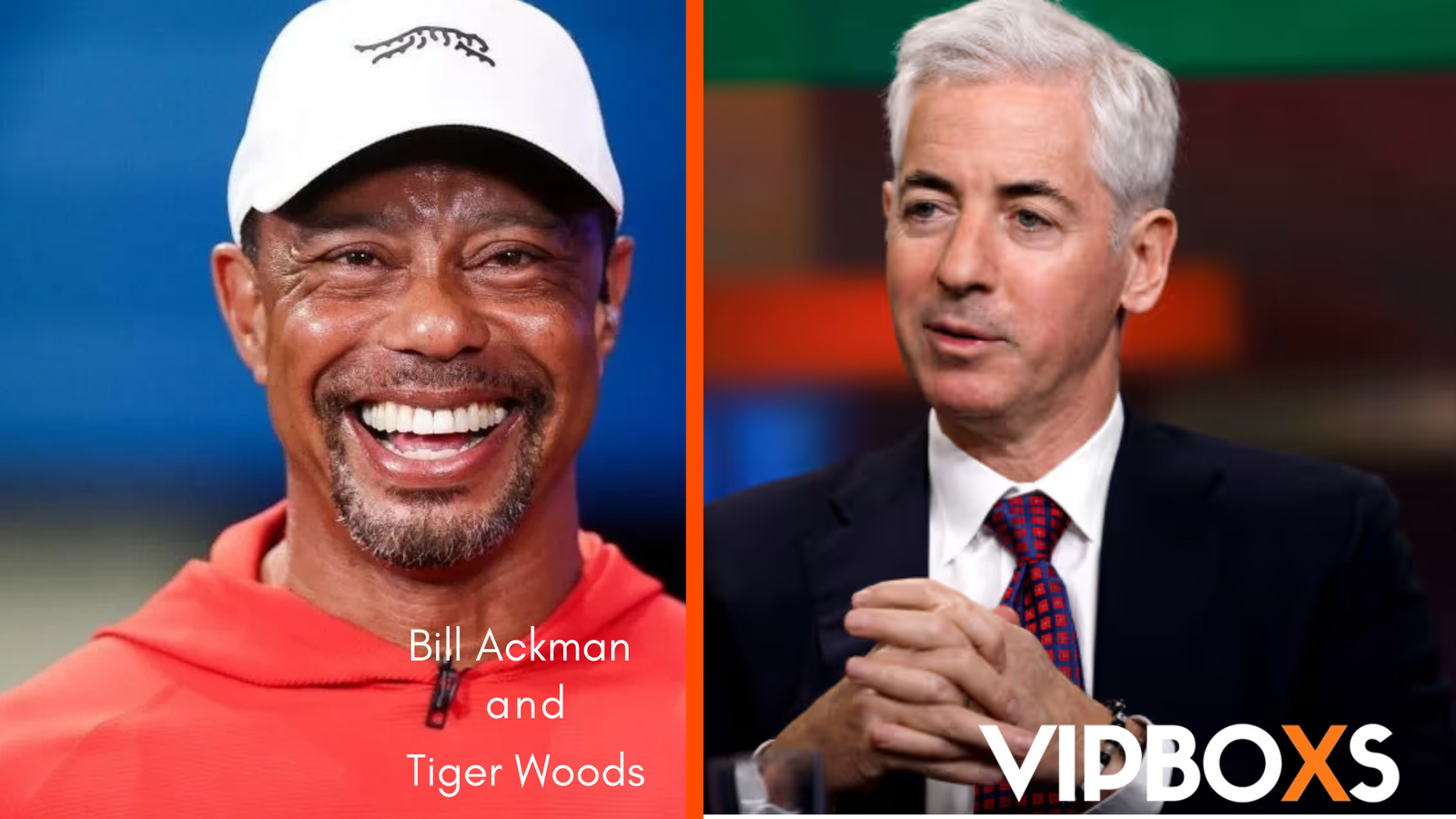
Who is Bill Ackman?
Bill Ackman is the founder and chief executive of Pershing Square Capital Management, a New York-based hedge fund known for its concentrated, high-conviction bets. Unlike many of his Wall Street peers, who spread their money across dozens or even hundreds of positions, Ackman typically holds no more than around ten stocks at any one time, preferring to take large, vocal stakes in companies he believes are undervalued or mismanaged.
Over his career, Ackman has built a reputation as an activist investor, someone who buys significant shareholdings and then pushes publicly for changes in strategy or leadership. He has previously taken high-profile positions in firms including Herbalife, Chipotle and Universal Music Group, and has become something of a social media personality, frequently sharing lengthy commentary on markets, politics and the economy with his millions of followers. He is reportedly worth close to ten billion pounds, and has in recent months drawn attention for pursuits outside finance too, including an unexpected foray into professional tennis.
Who is Tiger Woods?
Tiger Woods needs little introduction to sports fans. Widely regarded as one of the greatest golfers in history, Woods turned professional in 1996 and went on to win 15 major championships and 82 PGA Tour titles, numbers that place him among the sport’s all-time elite alongside Jack Nicklaus. His dominance throughout the late 1990s and 2000s transformed golf’s commercial appeal, drawing in new audiences and sponsorship money on a scale the sport had never previously seen.
Woods’ career has not been without turbulence. A high-profile personal scandal in 2009, a string of injuries and multiple back surgeries, and a serious car accident in 2021 all disrupted his playing schedule over the years. Despite this, he has remained one of sport’s most bankable names, with endorsement deals that for decades anchored his status as one of the highest-earning athletes on the planet.
The Nike connection
The thread tying Ackman to Woods runs through Nike. In 2024, Pershing Square disclosed a new stake in the sportswear company, whose share price had been under sustained pressure amid sluggish sales and intensifying competition from rivals. Explaining the rationale behind the investment, Ackman pointed to what he saw as a gap in Nike’s roster of marquee athlete ambassadors, the kind of transcendent stars capable of driving cultural relevance and sales among younger shoppers.
In his commentary, Ackman reportedly suggested that Nike’s stable of ageing icons, Woods among them, had either already departed or were unlikely to renew their lucrative contracts, leaving the brand without a true breakout superstar to engage a new generation of consumers. The remarks arrived at a pointed moment: Woods had, after 27 years with the company, ended his own partnership with Nike that same year.
The end of an era for Woods and Nike
Woods first signed with Nike in 1996 as a 20-year-old upon turning professional, inking a five-year deal reportedly worth around $40 million at the time, a staggering sum for a golfer with no professional titles to his name. The partnership would go on to become one of the most celebrated pairings in sports marketing history, producing a string of memorable advertising campaigns, including the iconic “I Am Tiger Woods” spot and the striking Sunday red polo shirt that became as synonymous with Woods as his swing.
The relationship endured scandal, injury and years of underperformance, with Nike notably standing by Woods through his personal difficulties in the early 2010s. His final contract with the company, signed in 2013, was reportedly worth around $200 million over a decade. When the split was finally announced, both parties struck a warm tone. Woods thanked Nike co-founder Phil Knight personally, while Nike’s own social media farewell read simply: “It was a hell of a round, Tiger.” Woods indicated there would be “certainly another chapter” to come, though he gave no details of what that might involve.
Why Ackman’s comments mattered
For Nike, the departure of Woods, alongside the ageing of other long-time athlete partners, has been cited by analysts as part of a broader challenge facing the brand: a perceived shortage of fresh, culturally dominant faces to replace a generation of stars who defined its marketing for decades. Ackman’s willingness to voice this concern publicly, as part of his case for why Nike represented an attractive turnaround opportunity, put the issue firmly on investors’ radar.
Pershing Square’s stake was reported to be worth hundreds of millions of dollars, and Ackman’s commentary reflected his typical approach: taking a position and then articulating, often at length, why he believes the market has mispriced the business. Whether Nike can successfully cultivate its next generation of standout ambassadors, and whether that effort will validate Ackman’s bet, remains to be seen.
An unlikely but telling link
The connection between Ackman and Woods is not one of personal acquaintance or direct business dealings, but rather a reflection of how closely intertwined sport, celebrity and high finance have become. An investor’s assessment of a sportswear giant’s prospects inevitably runs through the athletes who wear its logo, and few athletes have worn that logo longer, or more famously, than Tiger Woods.
As Nike looks to rebuild its roster of star power and Ackman continues to make the case for the company’s recovery, the pairing of their names serves as a reminder that in modern markets, a golfer’s fading endorsement deal can become a talking point in a billionaire investor’s stock thesis, and a small but telling data point in how Wall Street thinks about brand, celebrity and cultural relevance.
Conclusion
Bill Ackman and Tiger Woods may operate in entirely different arenas, one behind a trading desk, the other on the fairway, but their stories briefly converged through Nike’s ongoing struggle to reinvent its brand for a new generation. Ackman’s public remarks turned Woods’ departure from a sentimental sporting farewell into a data point in a billion-dollar investment thesis, illustrating just how closely celebrity, culture and capital markets are now intertwined. Whether Pershing Square’s wager on Nike ultimately pays off will depend less on nostalgia for Woods’ red polo shirt than on whether the brand can find athletes who can command the same loyalty for the TikTok generation. Either way, the episode is a useful reminder that in modern business, even a golfer’s contract decisions can ripple into the world of high finance.
FAQs
Did Bill Ackman and Tiger Woods ever work together directly?
No. There is no record of any direct business relationship or partnership between the two men. The connection is indirect, arising from Ackman’s commentary on Nike as part of his investment case for Pershing Square’s stake in the company.
Why did Bill Ackman mention Tiger Woods?
Ackman reportedly cited the loss of marquee athlete ambassadors, including Woods, as evidence that Nike needed fresh star power to reconnect with younger consumers, forming part of his broader argument for why the stock was undervalued.
When did Tiger Woods leave Nike?
Woods announced the end of his 27-year partnership with Nike in 2024, bringing one of the most storied athlete-brand relationships in sports history to a close.
How much was Tiger Woods’ Nike deal worth?
His first contract in 1996 was reportedly worth around $40 million over five years. His final deal, signed in 2013, was reportedly worth roughly $200 million over a decade.
Is Bill Ackman still invested in Nike?
Pershing Square disclosed a new stake in Nike in 2024, though, as with any actively managed hedge fund portfolio, the size and status of that holding may have changed since. Readers should check the latest regulatory filings for current figures.
Has Tiger Woods signed with another sportswear brand?
At the time of the Nike split, Woods did not confirm a replacement sponsor, saying only that there would be “another chapter.” Any subsequent arrangement should be verified against the latest reporting, as this can change.
[…] Private Marriage Nathan Blecharczyk and Greg Hayes: Two Very Different Business Journeys Bill Ackman and Tiger Woods: An Unlikely Nike Link HSBC Business Banking: New Tools, Funding in 2026 Who Is Ingrid Quinn? David Boreanaz’s […]